

Else Humpert
How is my EV battery affected by severe weather?A used electric vehicle battery is not a paperweight, even after ten years of use. That is not a waste case, but a future-proof tale. Thus, your car's heart can serve as a backup power system for your neighborhood. A pack is not disposed of in a landfill when it can no longer be used in an automobile. A catastrophic battery death is remarkably rare. Consider it like your own body: regular exercise and a balanced diet are preferable to extremes, but occasionally indulging won't harm your health.
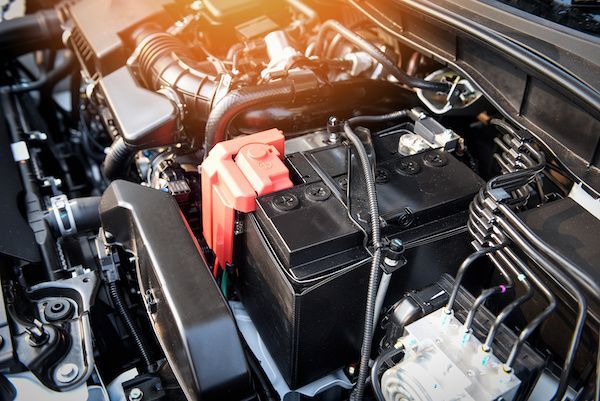 Regarding charging habits, you don't have to take care of your car. The battery management system shields the cells from harm. Similarly, the most gentle method is to plug in at home during the nite at a moderate rate. Energy storage for homes, businesses, and power grids is a common use for retired packs. When they finally get to the recycling stage, valuable materials like nickel, cobalt, and lithium can be recovered more effectively and used to make new batteries.
A truly circular approach to battery lifecycles has been developed by the industry. It's far from the end of the road, but what happens when a battery finally retires from driving duty? In general, electric car batteries are made to last a very long time - often much longer than many people first anticipate. However, with the right maintenance, many batteries can actually last up to 12 years or longer. The manufacturer's confidence in the batteries' longevity can be inferred from this warranty period.
The battery is covered by warranties from the majority of manufacturers for eight to ten years or up to 100,000 miles, whichever comes first. If you regularly drive shorter distances, it's not difficult to reach 50 cycles annually. In the first generation of hybrid vehicles, nickel metal hydride batteries were used because the weight helped maintain the overall weight balance of the vehicle. The average person travels 15,000 miles annually. You should therefore have roughly 50 charge cycles annually if we use an average of 300 charge cycles.
A standard lead-acid battery pack has an average lifespan of 200 to 500 charge cycles. As software updates improve charging algorithms and thermal strategies over the air, even modern technology continues to advance steadily. Even longer lifespans are promised by solid-state batteries and enhanced lithium chemistries; according to some laboratory tests, these next-generation cells may last more than 500,000 miles before experiencing significant deterioration. The prospects for the future continue to improve.
This second life for autopowercare.com EV batteries is an exciting development, contributing to sustainability and reducing waste by giving these batteries a new function beyond their automotive role. Everyday driving continues to confirm exceptional endurance, and modern technology travels far beyond what early models suggested.
| Last Resume Update | October 5, 2026 |
| Address | United Kingdom, Llantwit Major, United Kingdom |
| centepakusvol9y@web.de | |
| Phone Number | 01656 303861 |